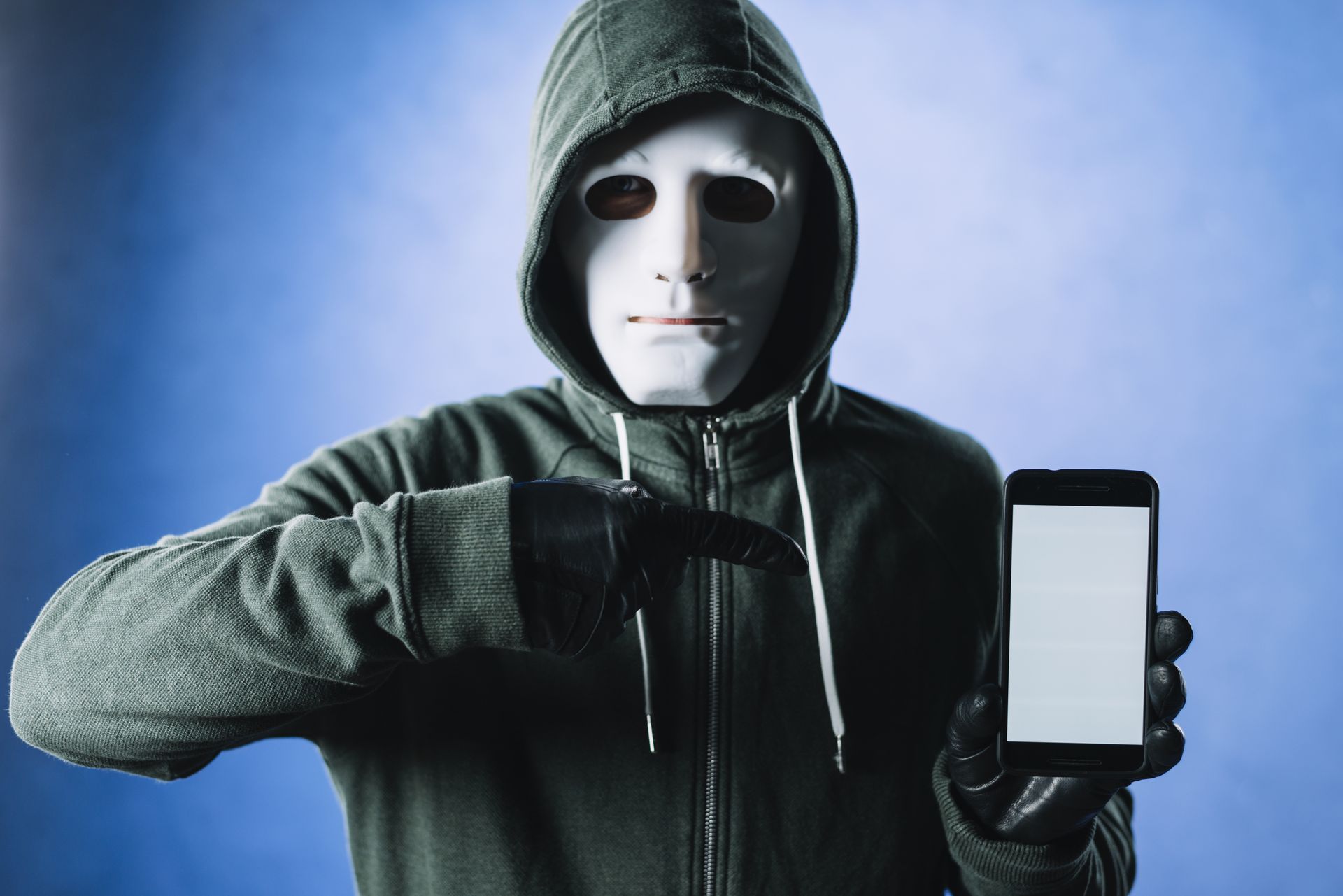
What is Identity Theft?
Identity theft is the unauthorized use of someone else\'s personal information (name, address, Aadhaar/PAN number, credit card number, etc.) to commit fraud or obtain benefits such as credit or money. Offenders may open accounts, apply for loans, or make purchases in the victim\'s name, causing financial loss and emotional distress.
Sanctions under the IT Act and IPC
Identity theft can be prosecuted under the Information Technology Act, 2000 (Sections 43, 66, 66C, 72) and relevant Indian Penal Code sections (e.g., sections 464, 465, 468, 469, 471, 474). The IT Act covers unauthorized access, copying, or extraction of data, while the IPC handles forgery, making false documents, and misusing forged documents. Recent recommendations suggest adding new sections to the IPC specifically for identity-related offenses.
Recent Trends and Statistics
Karnataka saw over 3,700 online identity theft cases in 2022. India, Bangladesh, and Pakistan rank among the top ten Asian countries affected by deepfake-based identity fraud. Sumsub\'s Identity Fraud Report (2023) noted a sharp rise in incidents, with the majority targeting the crypto sector. Fraud techniques like money muling, fake IDs, and forced verifications are also on the rise.
UPI & Financial Frauds
Nearly half of India\'s cybercrime cases (2020–2023) were UPI-related, as per an FCRF report. Fraudsters exploit technology to steal payment credentials or trick users into transferring money. Victims should report quickly and contact their bank for remedial action.
Case Law: Freezing Bank Accounts
- Mr Prakash Padukone vs State Of Karnataka: Bank account frozen due to fraud suspicion; the court ordered unfreezing when suspicion couldn\'t be substantiated.
- Narayan Yadav v. State of Karnataka: Court reversed freezing after recognizing the severe impact on the petitioner\'s rights.
- Smt Neeta Shanthilal vs State Of Karnataka: Freezing held unjust when no direct evidence linked to fraud.
- Mr Nirmalbhai Ambalal Patel vs State Of Karnataka: Relief granted with account defreezing, subject to legal compliance.
- Sri Sathish M C vs State Of Karnataka: Similar judicial intervention emphasizing need for evidence before drastic action.
How Shoolin Consultancy Can Assist
Shoolin Consultancy provides expert guidance for cybercrime victims — from understanding legal options, digital forensics, and reporting, to representation in court and unfreezing of assets. Reach out for confidential support and action plans for protecting your digital identity and financial assets.